Soft Flex: How Gen Z Turned Boring Basics Into the Ultimate Power Move
There's a new kind of flex happening, and it doesn't come with a giant monogram stitched across the chest. Walk through any college campus in 2024 or scroll through the style corners of TikTok, and you'll notice something kind of surprising: the coolest kids are dressed... simply. We're talking oatmeal-colored cashmere, perfectly cut trousers, white Oxford shirts that look like they've been ironed by someone who genuinely cares. No loud prints. No fast-fashion hauls stacked six bags deep. Just clean, considered, quietly expensive-looking clothing.
This is quiet luxury — and Gen Z didn't just stumble into it. They built it on purpose.
From Haul Culture to 'Buy Less, Buy Better'
For years, fast fashion ruled the internet. The algorithm rewarded volume. More outfits, more content, more hauls. Brands like Shein and Fashion Nova thrived because the dopamine hit of a $7 top landing on your doorstep was real and immediate. But somewhere around 2022, a noticeable shift started creeping in. The backlash wasn't just environmental — though that played a role — it was aesthetic and deeply personal.
Gen Z started getting tired of looking the same. When everyone can afford the same trending piece, the trend loses its edge almost instantly. Quiet luxury offered something different: a visual language that communicated taste, restraint, and a certain kind of confidence that doesn't need to announce itself.
StyleTok creators like @oldmoneyaesthetic and @thatgirlstyle racked up millions of views posting "old money" outfit videos featuring neutral palettes, quality fabrics, and minimal branding. The comments sections filled up with people saying the same thing over and over: this feels so much more expensive than anything I've bought in years.
What Quiet Luxury Actually Looks Like
Let's be real — "quiet luxury" can feel like a vague vibe more than a concrete style. So what does it actually mean in practice?
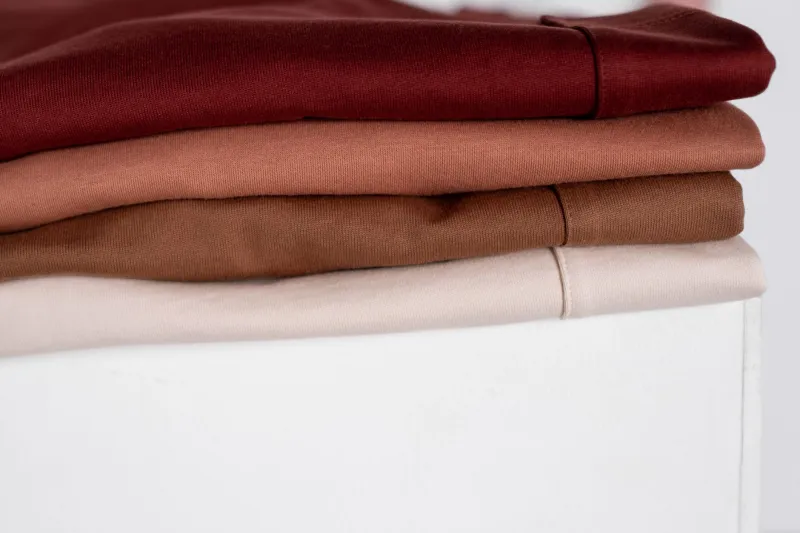
At its core, it's about investing in pieces that are built to last, choosing quality over quantity, and leaning into a muted, cohesive color palette. Think camel, ivory, navy, slate gray, and forest green. Think fabrics that feel good — linen, merino wool, high-thread-count cotton. Think cuts that fit you, not just whatever silhouette the algorithm is currently obsessing over.
Influencer and style consultant Maya Delacroix, who has built a following of over 400,000 on Instagram by championing investment dressing, puts it plainly: "The whole point is that nothing in the outfit is fighting for attention. When everything works together, you become the statement."
Brands that have benefited from this wave include Toteme, The Row, Quince, and even Banana Republic's recent repositioning toward elevated basics. But here's the thing — you don't need to spend Row money to dress this way.
The Psychology Behind the Shift
There's something deeper going on here than just aesthetics. Psychologists who study consumer behavior point to what they call "conspicuous restraint" — the idea that in a saturated consumer culture, choosing not to participate loudly becomes its own kind of status signal.
Gen Z, more than any generation before them, grew up watching the consequences of overconsumption play out in real time. Climate anxiety is real. The fast fashion industry's impact on garment workers got documented and re-documented across social media. Add to that the economic pressure many young Americans face — student debt, a brutal housing market, wages that haven't kept pace with inflation — and suddenly buying fewer, better things starts to feel both principled and practical.
"I used to spend $200 a month on fast fashion and have nothing to show for it after a year," says Dani, a 24-year-old in Chicago who documents her wardrobe on TikTok. "Now I spend that same amount maybe once a season on one or two pieces I actually love, and my closet finally feels like mine."
Building Your Own Quiet Luxury Wardrobe (Without the Trust Fund)
Here's the part everyone actually wants: how do you get the look without spending like you summer in the Hamptons?
Start with a foundation of neutrals. Before you buy anything new, audit what you already own. Pull out anything in white, cream, black, gray, navy, or camel. These are your building blocks.
Invest in one or two quality pieces per season. You don't need to overhaul everything at once. A really good cashmere sweater from Quince (they run around $50–$100, and the quality is genuinely impressive) or a well-cut pair of tailored trousers from a thrift store can anchor an entire season of outfits.
Thrift with intention. Quiet luxury and secondhand shopping are a natural match. Sites like ThredUp, Poshmark, and The RealReal are goldmines for high-quality basics that people bought once and barely wore. Search for brands like J.Crew, Club Monaco, or even Ralph Lauren — they hit the aesthetic perfectly and show up secondhand constantly.
Ditch the logo obsession. If a piece's main selling point is the brand name printed across it, it's probably not quiet luxury. The goal is clothing that looks good because of its cut and fabric, not because of what it advertises.
Fit is everything. A $30 blazer that fits perfectly will always look more expensive than a $300 one that doesn't. Find a good tailor — many alterations cost less than $20 — and use them.
Is This Just a Trend, or Something Bigger?
Fashion cycles are real, and there's always the risk that quiet luxury becomes its own form of performative consumption — just a different kind of flex dressed up in beige. Some critics have pointed out that truly "quiet" luxury still requires money, and that the aesthetic can sometimes feel exclusionary or even classist in its own subtle way.
Those are fair critiques worth sitting with. But the broader cultural impulse — to slow down, to buy with intention, to build a wardrobe that actually reflects who you are rather than what's trending this week — feels like something more durable than a seasonal aesthetic.
Gen Z didn't just discover minimalism. They remixed it for a generation that grew up drowning in options and decided that the most radical thing they could do was simply... choose less.
And honestly? That's kind of a vibe we can get behind.